

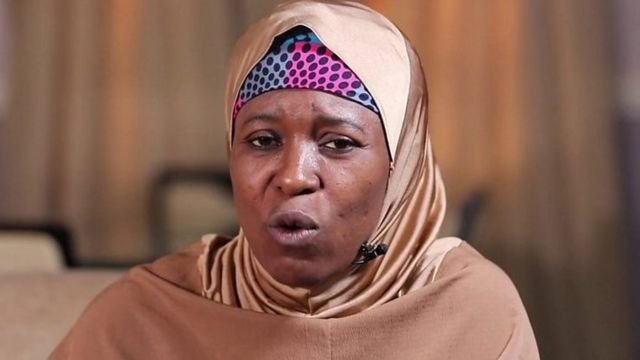

Aisha Yesufu Senate race changes the 2027 conversation
The Aisha Yesufu Senate race has quickly become a major talking point in Nigeria’s opposition politics. The activist announced her exit from the African Democratic Congress and confirmed her move to the Nigeria Democratic Congress. Furthermore, she declared plans to contest the Federal Capital Territory Senate seat in the 2027 election.
Her statement linked the decision to her continued support for Peter Obi. As a result, many political observers now see the move as part of a wider opposition realignment. The announcement also sparked debate across social media platforms and political forums.
Why her announcement matters
Yesufu already commands national attention because of her activism during the Bring Back Our Girls campaign and EndSARS protests. Therefore, her transition into electoral politics adds a new dimension to the FCT race. According to TheCable, her move followed recent developments involving Peter Obi and other opposition figures.
Why did Aisha Yesufu join the NDC?
Yesufu explained that she joined the NDC after gaining what she called a deeper understanding of Nigeria’s political future. In addition, she said her support for Peter Obi remained central to her political decisions. Her comments suggest loyalty and ideological alignment influenced the move.
The Aisha Yesufu Senate race also reflects wider frustration within opposition parties. Consequently, many politicians now seek new platforms before the 2027 election. Similar coalition tensions appeared in Wike’s criticism of Obi’s political movement.
How the opposition landscape is shifting
Nigeria’s opposition space has seen major defections in recent months. Therefore, analysts believe the NDC hopes to attract younger voters and reform-minded professionals. The Aisha Yesufu Senate race could strengthen that strategy because she already has strong public recognition.
Can Aisha Yesufu win the FCT Senate seat?
Winning a Senate seat in Abuja requires more than popularity. Candidates must build strong grassroots structures, maintain party unity, and address local concerns. However, Yesufu enters the race with significant visibility and an active support base.
Political analysts believe her activism could appeal to first-time voters and urban residents. On the other hand, critics argue she still needs deeper political structures across the FCT. Even so, the Aisha Yesufu Senate race remains one of the most watched political developments ahead of 2027.
Key issues likely to shape the election
FCT voters will likely focus on insecurity, transportation, youth employment, and housing. In addition, many residents expect practical policy plans instead of symbolic campaigns. Therefore, Yesufu’s campaign strategy may determine how seriously voters treat her candidacy.
How Peter Obi influences the Aisha Yesufu Senate race
Peter Obi continues to shape opposition politics in Nigeria. As a result, several supporters and allies have aligned with newer political structures linked to his movement. According to Wikipedia’s profile on Aisha Yesufu, she has remained one of Obi’s strongest public supporters.
The Aisha Yesufu Senate race also benefits from Obi’s popularity among younger Nigerians. Furthermore, the race may become a test of whether activism and civic engagement can translate into electoral success.
What political observers expect next
Observers expect more defections before official campaigns begin. Therefore, the coming months could reshape alliances within the opposition. Political tensions inside the National Assembly also continue to influence public opinion, as seen in the Akpabio and Oshiomhole Senate dispute.
What Nigerians should watch before 2027
The Aisha Yesufu Senate race highlights how quickly Nigeria’s political landscape is changing. First, the NDC must strengthen its structures nationwide. Next, Yesufu must convince voters that activism can translate into governance and legislative impact.
Her candidacy also reflects growing public demand for fresh political voices. Consequently, many Nigerians will closely monitor opposition alliances, campaign strategies, and voter engagement before 2027. Readers should follow future political developments carefully as the election season approaches.