


Zamfara market bombing leaves dozens dead in Zurmi
Last Updated: May 12, 2026
The Zamfara market bombing has triggered national outrage after reports confirmed that dozens of civilians died when a military air strike hit Tumfa market in Zurmi Local Government Area. The tragedy drew immediate attention because witnesses described chaotic scenes, severe casualties, and conflicting statements from military authorities. Readers searching for this story want verified facts, context about the operation, and answers about how civilians became victims.
According to reports cited by AFP, at least 72 people died after military aircraft reportedly struck the busy market on Sunday. However, Amnesty International later stated that the death toll exceeded 100 people. Community leaders also explained that some bodies were destroyed beyond recognition because of the intensity of the explosion.
Why the Zamfara market bombing sparked widespread concern
The Zamfara market bombing immediately raised concerns because Tumfa market serves both residents and traders from nearby communities. Furthermore, witnesses claimed many victims included women and young traders selling food items. Local residents stated that civilians had little warning before the strike occurred.
Community leader Garba Ibrahim Mashema told AFP that both residents and armed bandits often visit the market. Consequently, the military operation has reignited debate over how security forces identify targets during anti-bandit missions.
Importantly, Amnesty International demanded an independent investigation into the incident. The organisation argued that civilians in northern Nigeria continue suffering during military operations targeting criminal groups.
What happened during the military air strike in Zamfara?
Witnesses described panic and confusion after military aircraft reportedly bombed the crowded weekly market. Survivors said traders and shoppers scrambled for safety as explosions tore through the area. In addition, injured victims were transported to hospitals in Zurmi, Shinkafi, and Gusau for emergency treatment.
One witness explained that the market was at peak activity when the attack happened. Therefore, casualty figures rose quickly because hundreds of people were present during trading hours.
How officials responded to reports of civilian deaths
Military authorities disputed reports that innocent civilians died during the operation. Michael Onoja, spokesperson for Nigeria’s defence headquarters, reportedly described the civilian casualty claims as false. However, officials also stated that authorities would investigate the incident further.
The response mirrored previous military statements following air strikes in conflict areas. In many cases, officials initially deny civilian casualties before launching internal reviews. That pattern has increased public pressure for transparent investigations.
Readers following wider security and governance discussions can also read this analysis on governance and national responsibility.
Why air strikes in bandit regions remain controversial
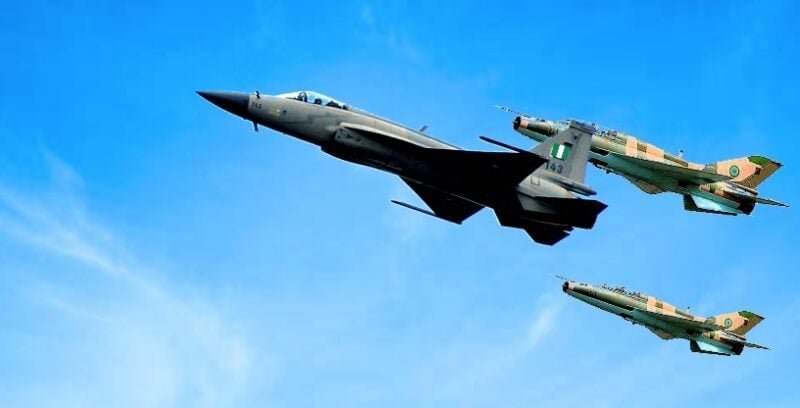
The Zamfara market bombing highlights the difficult balance between military operations and civilian protection. Northern Nigeria faces severe insecurity caused by armed bandit groups operating across Zamfara, Katsina, Kaduna, and Niger states. As a result, the Nigerian military increasingly relies on air power to attack suspected hideouts.
However, rights groups continue documenting civilian casualties linked to mistaken strikes. According to conflict researchers, intelligence failures often happen because armed groups blend into civilian populations. Therefore, crowded markets and rural settlements become especially dangerous during military operations.
What experts say about civilian risk in conflict zones
Security experts explain that weekly rural markets create a unique challenge during counterinsurgency operations. Markets attract traders, transport workers, farmers, and sometimes armed groups. Consequently, identifying legitimate targets becomes more complicated during peak trading periods.
An overlooked detail in many reports involves the economic impact after such attacks. Rural markets in Zamfara support food supply chains across several communities. Therefore, when violence disrupts these trading centres, families lose income, food prices rise, and local economies weaken further.
That economic effect represents an important information gap missing from many reports. Most coverage focuses only on casualty numbers. However, destroyed markets also deepen poverty in regions already struggling with insecurity and displacement.
For readers interested in other conflict-related incidents, this report on another deadly local dispute highlights how violence continues affecting vulnerable communities.
People also ask about the Zamfara market bombing
Where did the Zamfara market bombing happen?
The air strike reportedly hit Tumfa market in Zurmi Local Government Area of Zamfara State, Nigeria.
How many people died in the attack?
AFP initially reported that at least 72 people died. However, Amnesty International later claimed the death toll exceeded 100 victims.
Did the Nigerian military accept responsibility?
Military authorities denied reports that civilians died during the operation. Nevertheless, officials stated that they would investigate the allegations.
Why was Tumfa market targeted?
Local sources claimed armed bandits often operate around the market area. Security forces reportedly launched the operation while targeting criminal elements.
How the Zamfara market bombing affects public trust
The Zamfara market bombing has intensified calls for accountability, transparency, and stronger civilian protection during military operations. First, the incident shows the urgent need for accurate intelligence before launching strikes in populated areas. Second, it highlights the emotional trauma communities experience after sudden attacks. Finally, it demonstrates why independent investigations remain essential in conflict zones.
Human rights organisations continue urging authorities to publish investigation findings publicly. Furthermore, families affected by the tragedy want compensation, medical support, and justice for victims.
Readers monitoring national political developments may also explore this report on political stability and national leadership.
For additional context about conflict and humanitarian issues, readers can review background information about Zamfara State. More analysis about civilian protection appears on the Amnesty International news platform. Readers can also examine regional conflict trends through the International Crisis Group Nigeria reports.
The investigation into the Zamfara market bombing remains ongoing. Therefore, readers should rely on verified updates from trusted sources instead of rumours circulating online.