

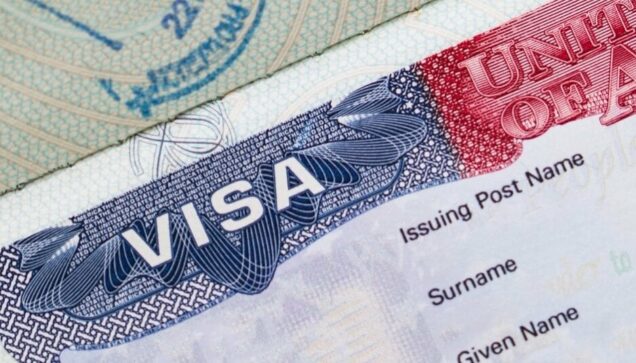
The United States government has announced that it will suspend visa processing for citizens of 75 countries, including Nigeria, Russia, Somalia, Iran, Afghanistan, Brazil and Thailand, in a sweeping policy change set to take effect on January 21, 2026.
The move marks one of the most significant visa curbs in recent U.S. immigration history and could disrupt travel, work and family reunion plans for thousands of people worldwide.
According to reports citing a State Department memo, the suspension covers both immigrant and non-immigrant visas.
U.S. embassies and consulates have been instructed to deny visa applications from affected nationals while officials reassess screening and vetting procedures under existing immigration law.
The administration has not specified how long the suspension will remain in place.
READ ALSO:
- US to deny Nigerians with intent to give birth visa
- FG asks US to reconsider visa restrictions on Nigerians
- US to impose life ban for visa fraud
The policy is tied to broader national security concerns and heightened scrutiny of applicants who could become a “public charge,” meaning they might rely on government support after entering the United States.
The decision follows recent shifts in U.S. immigration strategy and stricter enforcement directives issued by the administration.
For Nigerians and others from the affected countries, the move represents a sharp escalation beyond earlier partial restrictions that began late in 2025, which already limited certain categories of visa issuance.
Governments and civil society groups in many of the impacted nations have not yet issued official responses.
Analysts say the suspension could have profound effects on international travel, educational exchange programmes, labour mobility and diplomatic relations between the United States and the affected countries.
The full list of countries subject to the pause includes a wide range of nations from Africa, Asia, Europe and Latin America, and the State Department says it will revisit procedures to ensure visa decisions align with national security priorities.