

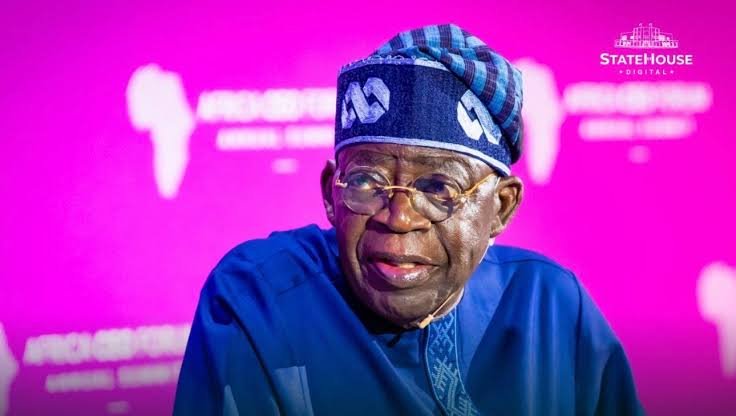

By Tope IBIKUNLE FCA
Nehemiah was a governor leading spiritual and civic reform. President Tinubu is a president leading economic and governance reform in 2025-2026. The contexts are different, but 4 similarities stand out:
1.THE SITUATION THEY MET
Nehemiah in Judah
BROKEN WALLS:
Jerusalem’s walls were down. People were vulnerable, ashamed, and scattered. Neh 1:3 Economy, security, and public trust were weak.
Tinubu in Nigeria 2023: Debt, subsidy, FX instability
EXPLOITATION:
Nehemiah in Judah: The rich were oppressing the poor. Neh 5:1-5
Tinubu in Nigeria 2023: High inflation, hardship, subsidy removal hit the poor first.
COMPROMISE
Nehemiah in Judah: People were intermarrying, neglecting tithes, breaking Sabbath. Neh 13 Tinubu in Nigeria 2023: Corruption, leakages, multiple exchange rates, fuel subsidy fraud.
Both came into a system that had “worked for years” but was no longer sustainable.
2. THE KIND OF REFORMS
A. Nehemiah’s Reforms
1. Rebuild first: Rebuilt the wall in 52 days. Security identity restored. Neh 2, 6
2. Economic justice: Cancelled debt, stopped interest on loans to the poor. Neh 5
3. Spiritual order: Restored temple worship, tithes, Sabbath, and separated from idolatrous alliances. Neh 13
4. Tough decisions: Confronted leaders, made people take oaths, enforced law. Neh 13:25
B. Tinubu’s Reforms 2023-2026
1. Rebuild fiscal base: Removed fuel subsidy, unified FX, increased revenue to states. Goal: stop borrowing to pay subsidy.
2. Economic justice efforts: Wage awards, student loans, CNG buses, social intervention to cushion subsidy removal.
3. Institutional order: Tax reforms, efforts to block leakages, push for local govt autonomy.
4. Tough decisions: Unpopular policies with short-term pain for long-term restructuring.
The pattern is the same: short-term pain to fix long-term structural problems.
3. KEY DIFFERENCES
1. Source of Authority
Nehemiah’s authority was God and Persian king. His goal was covenant faithfulness.
Tinubu’s authority is the Constitution + votes. His goal is national development.
2. Method
Nehemiah used prayer, fasting, and sometimes force. Neh 4:9, 13:25
Tinubu uses policy, legislation, and executive orders.
3. Goal
Nehemiah: “That the name of God would not be disgraced” Neh 1:11
Tinubu: “Renewed Hope” – economic growth, jobs, and stability
4. Three lessons Nigeria can draw from Nehemiah
1. Reform must rebuild “walls” first. Nehemiah secured the city before anything else. For Nigeria today that means security, power, and a stable naira. Without those, business and families can’t thrive.
2. Reform must care for the poor: Nehemiah stopped the exploitation in Neh 5 even while building. Any reform that only targets macro numbers but ignores hardship will face resistance. That’s why palliatives and social programs matter.
3. Reform requires conviction and communication: Nehemiah explained the vision, took an oath with the people, and confronted compromise. Reform works when people understand why the pain is necessary.
BOTTOM LINE
Similarities: Both were “rebuilders” who came to fix broken systems with unpopular but necessary decisions. Both faced opposition, both had to choose between popularity and sustainability.
Difference: Nehemiah’s reform was covenant-based to restore worship. Tinubu’s reform is policy-based to restore an economy.
So, we can say: Like Nehemiah, President Tinubu is attempting structural reforms after years of decay. Whether the reforms succeed will depend on justice for the poor, consistency, and if the people buy into the vision — just like in Judah.