



By Babafemi OJUDU
This morning, I feel compelled to write about a remarkable couple who stood by us during the perilous years of guerrilla journalism.
Those were years when even relatives were afraid to admit that they knew you. Friends avoided you like the plague. Merely offering you a meal, a bed or a place to sit could attract the attention of the security services. Yet this couple took the enormous risk of sheltering us in their modest home in Sagamu.
At the time, we were publishing TEMPO magazine—that irreverent battleaxe with which we confronted the military dictatorship.
Then came a tip-off: security operatives had been deployed from Abuja with firm instructions to get us by all means necessary. Nowhere in Lagos was safe—not our homes, not the innocuous shop we had rented in Ojota, and not the shop in Ogba where we installed computers and telephones and pretended to provide secretarial services. Unknown to the public, a small room at the back served as the production centre for P.M. News.
In the heart of bustling Isale Eko on Lagos Island, we had another shop that we secretly converted into the production centre for TheNEWS magazine. Nobody in the neighbourhood knew what we were doing. We slipped in and out, working quietly so that Nigerians could continue to learn about the atrocities of the military regime. It was my duty then to traverse these locations planning pages, editing and crafting crazy headlines and moving on.
I must pause here to pay tribute to the courageous woman, Mama Fatima (?) who supplied us with newsprint and provided that facility. People like her were the largely unacknowledged backbone of the struggle.
These were our clandestine operational bases, while Abacha’s security agencies kept submitting reports to him that we were printing from the basement of the American Embassy!
As the hunt intensified, our sources warned us that the security men were closing in and could pick up any one of us at any moment. Then Seye Kehinde said, “Let me speak to a couple I know in Sagamu. Perhaps they will agree to shelter us.”
The husband, Dr Sina Wilde, was a popular medical practitioner in Sagamu. His wife, Chief Mrs Olufunke Wilde, was the respected principal of Remo Secondary School, which Seye had attended. Even after leaving the school, he maintained a close relationship with them. They loved him dearly and admired his exceptional brilliance.
By the way, soon after leaving school, Seye had once been selected to serve as personal assistant to Chief Obafemi Awolowo. Sadly, shortly after he was contacted and interviewed for the position, the sage passed away. It was later my duty to get him into African Concord magazine.
Seye eventually returned with the good news: Dr and Mrs Wilde had agreed to take us in.
And so Bayo Onanuga, Seye Kehinde and I proceeded to Sagamu. The couple received us warmly and quietly ushered us into a room in their home. Kunle Ajibade was hiding somewhere in Ibadan, while Dapo Olorunyomi was perpetually on the move. One could never be certain whether he was in Lagos, Ibadan, Kaduna, Abuja or Lokoja. Like Nelson Mandela during his years underground, Dapo was our own Black Pimpernel—appearing briefly in one city and vanishing before the security agents could determine where he was heading next.
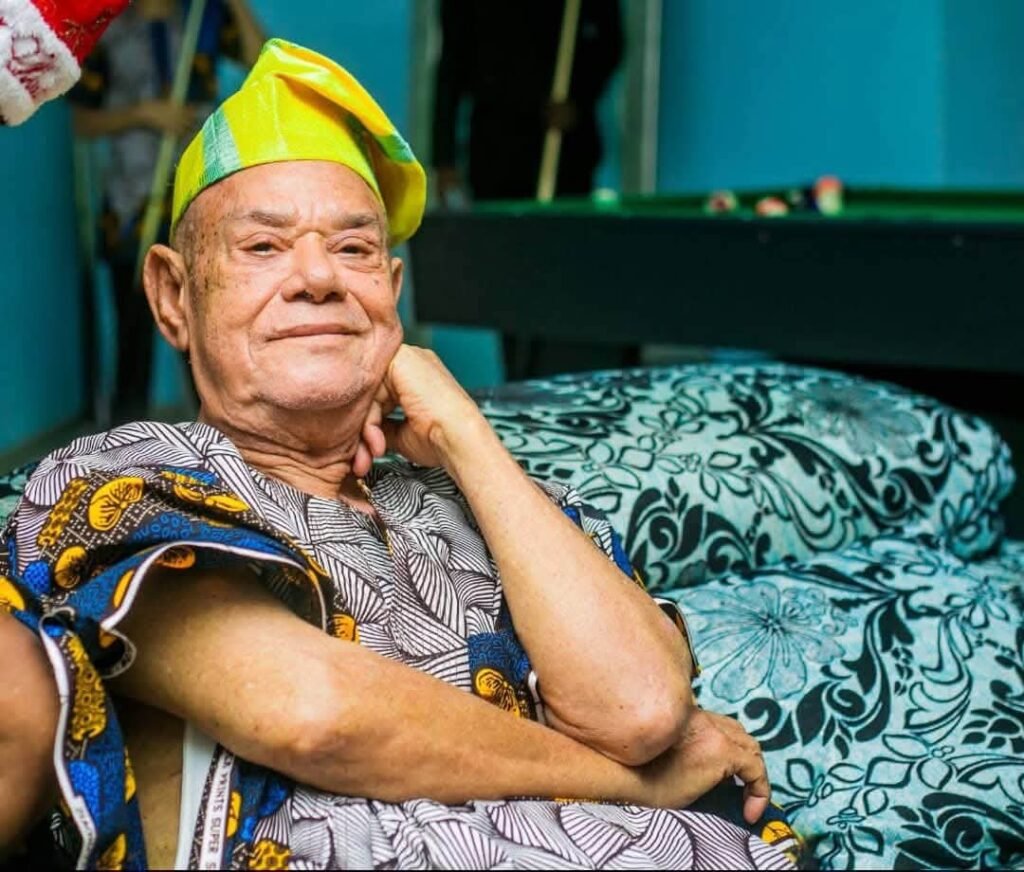
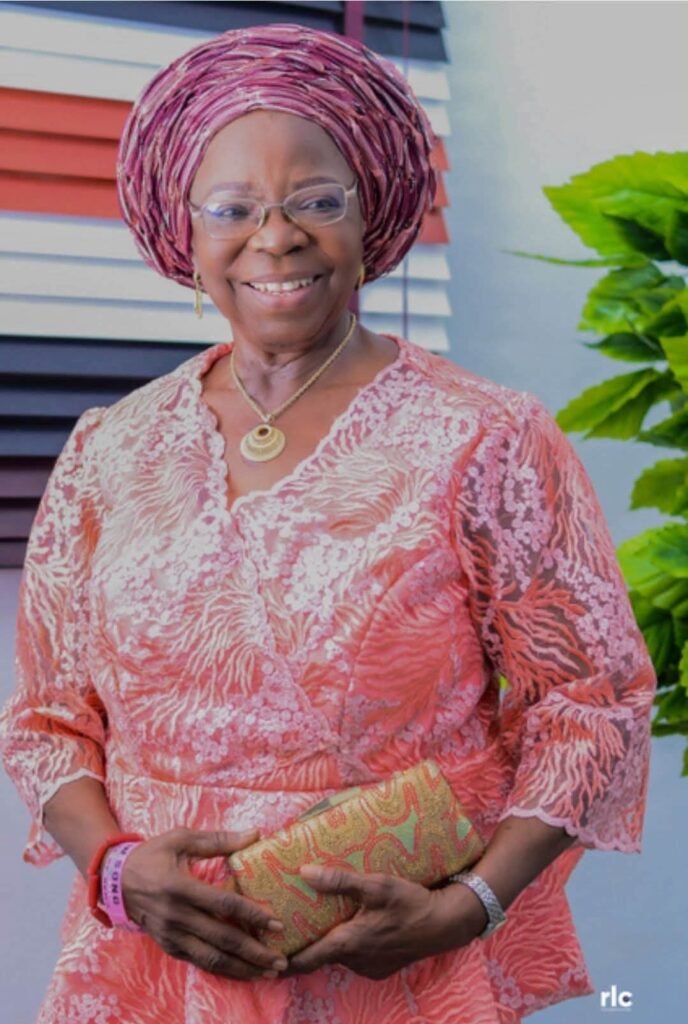
The Wildes fed us, protected us and made us feel completely at home. Under their roof, I also witnessed a touching example of genuine love between husband and wife. You could feel the love between them. They were full of affection for each other and for others without any reservations.
One evening, we were sitting with them in their living room. Dr Wilde had a bottle of beer before him. Mrs Wilde called the house help and asked her to bring another beer mug.
One of us, surprised, asked, “Mama, you drink too?”
She replied, in effect: “I do not ordinarily drink, but I had to learn to save Sina from himself. He sometimes forgets that he is getting older and should no longer consume so much alcohol. So I help him by drinking part of what he would otherwise have consumed.”
We all laughed, but beneath the humour was something profound: devotion expressed not through grand declarations or haranguing but through companionship, vigilance and sacrifice—even if it meant sharing a bottle of beer she did not particularly want!
Dr Sina Wilde passed away a year ago, but Mama, Chief Mrs Olufunke Wilde, is still very much with us.
People like Dr and Mrs Wilde may not have appeared on the front pages. They did not write editorials, print magazines or march in the streets. But they opened their home to hunted journalists at a time when doing so could have brought the full weight of a brutal dictatorship upon them.
They were courageous without making a show of it. They risked their safety so that we could continue our work and Nigerians could continue to know the truth.
They are among the quiet heroes of our struggle.
We remember them. We honour them. And we must never forget them.
*Ojudu, a veteran journalist, was a Senator of the Federal Republic