

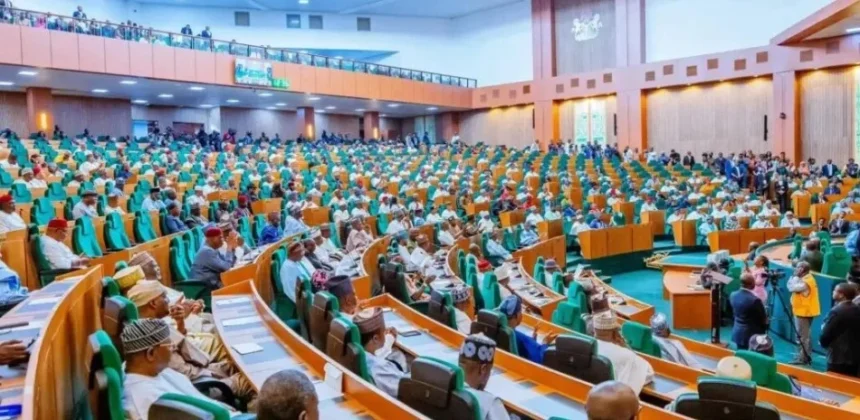

The House of Representatives has rejected a proposal seeking to cut diplomatic ties with South Africa over the xenophobic attacks against Nigerians in the former apartheid country.
The proposal was rejected on Thursday during the debate on a motion sponsored by Yusuf Gagdi, chairman of the house committee on navy.
Some Africans, including Nigerians, have been killed since the renewed anti-immigrant tensions in South Africa.
African governments have taken steps, with Nigeria and Ghana summoning South African envoys following attacks on their nationals.
The Nigerian government is also repatriating citizens who are willing to leave South Africa over the attacks.
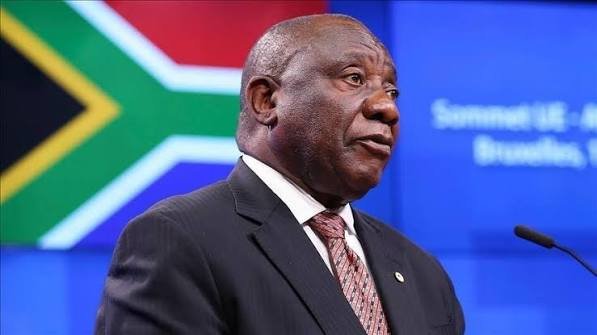
South African President Cyril Ramaphosa has appealed for tolerance and unity, reminding South Africans that other African nations stood by the country during its struggle against apartheid.
Early this week, the senate rejected a motion to nationalise South African businesses operating in Nigeria and use the proceeds to compensate xenophobia victims.
The motion
Moving the motion, Gagdi said Nigerians and other African nationals have continued to face killings, unlawful arrests, displacement, destruction of businesses and widespread fear despite repeated diplomatic engagements between Nigeria and South Africa.
He recalled Nigeria’s historic role in supporting South Africa’s anti-apartheid struggle through diplomatic leadership, financial assistance, humanitarian support and political pressure, arguing that it is deeply troubling that Nigerians are now facing persecution in a country whose liberation Nigeria helped secure.
Gagdi said the recurring attacks, coupled with inflammatory remarks by some South African public officials, undermine the ideals of African unity, pan-Africanism, regional integration and peaceful coexistence.
The lawmaker said the continued violence violates Nigeria’s constitutional commitment to African integration as well as international human rights instruments, including the African Charter on Human and Peoples’ Rights and the International Covenant on Civil and Political Rights, which guarantee the rights to life, dignity, equality and protection from discrimination.
He warned that failure to hold perpetrators accountable could further endanger Nigerians living in South Africa, weaken confidence in regional institutions, strain diplomatic and economic relations, and erode Africa’s collective commitment to human rights and the rule of law.
Gagdi asked the house to urge the federal government to demand an independent, transparent, impartial, and internationally monitored investigation into the death of affected Nigerians and all other African victims to ensure that the perpetrators are identified, prosecuted and punished.
He said the federal government should immediately undertake a comprehensive review of its bilateral relations with South Africa and, where necessary, suspend cooperation with the country.
The debate
Billy Osawaru (Edo, APC) blamed South African security agencies for the recurring attacks on Nigerians, saying they had “the blood of Nigerians on their hands.”
He said despite Nigeria’s diplomatic engagements, South Africa continued to undermine Nigeria’s sovereignty and fail to protect its citizens.
Osawaru urged the federal government to adopt a tougher stance, saying Nigeria “must not remain a toothless bulldog.”
He also proposed an amendment to the motion calling for Nigeria to cut diplomatic ties with South Africa.
Kayode Moshood (Lagos, APC) said Nigeria contributed millions of dollars to the anti-apartheid movement, noting that the resources could have been invested in the country’s own development.
READ ALSO:
Okey-Joe Onuakalusi (Lagos, NDC) said Nigeria must respond firmly to countries that treat its citizens with hostility, adding that the names of Nigerians killed in South Africa should be compiled and presented before the International Criminal Court (ICC).
At the close of the debate, Benjamin Kalu, the deputy speaker, subjected Osawaru’s proposal for Nigeria to sever diplomatic ties with South Africa to a voice vote, but the house rejected it.
Kalu said Nigeria has the capacity to respond in kind to South Africa but would instead pursue diplomatic channels.