

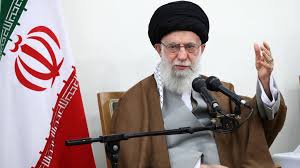
For the first time in nearly 37 years, Iran will have a new supreme leader. Until his death on February 28, Ayatollah Ali Khamenei dramatically shaped the Islamic Republic since he succeeded Ayatollah Ruhollah Khomeini in 1989. Khomeini was the country’s first supreme leader.
Ayatollah is a high-ranking title in Twelver Shia Islam, meaning “Sign of God”. It is awarded to senior Shia clerics who demonstrate exceptional religious scholarship and authority to interpret Islamic law. In Iran’s political system, it carries immense weight.
At the time he took office, Khomeini was an ayatollah. But shortly before his death, a change was made in Iran’s constitution allowing a lower-ranking Shia cleric, a position Khamenei held at the time, to become the supreme leader.
Iran’s supreme leader has the final say in all matters of state, above the president.
In addition to Khamenei, several other senior officials were also killed in the collaborative US-Israeli airstrikes on Iran on Saturday.
They include Abdol Rahim Mousavi, Iran’s army chief of staff; Aziz Nasirzadeh, defence minister; Mohammad Pakpour, top commander of the Revolutionary Guard; and Ali Shamkhani, Khamenei’s top security adviser
Now Iran must choose Khamenei’s successor. But who is responsible for that decision, and how will the choice be made?
What Iranian law says
The council comprises Iranian President Masoud Pezeshkian; Gholam-Hossein Mohseni-Ejei, head of the judiciary; and Ayatollah Alireza Arafi, a jurist of Iran’s Guardian Council and head of the Basij, a volunteer paramilitary force.
“The selection of the new leader will be carried out in the future by the Assembly of Experts of the Islamic Republic of Iran,” the embassy said in a statement.
The Assembly of Experts is an 88-member body, directly elected by the people and composed primarily of senior clerics.
According to the constitution, the assembly must convene within ten days of the vacancy to elect the new leader. In the interim period, the temporary leadership council takes control.
On Sunday, Abbas Araghchi, the Iranian foreign minister, told Al Jazeera that the country could potentially elect a new supreme leader within “one or two days”.
TheCable understands Ejei and Arafi, already in the leadership council, could be considered for the powerful role. The president, however, is not a candidate.
There are also other candidates outside the council that could be considered for the job.
Here is a brief look at the frontline runners.
Alireza Arafi
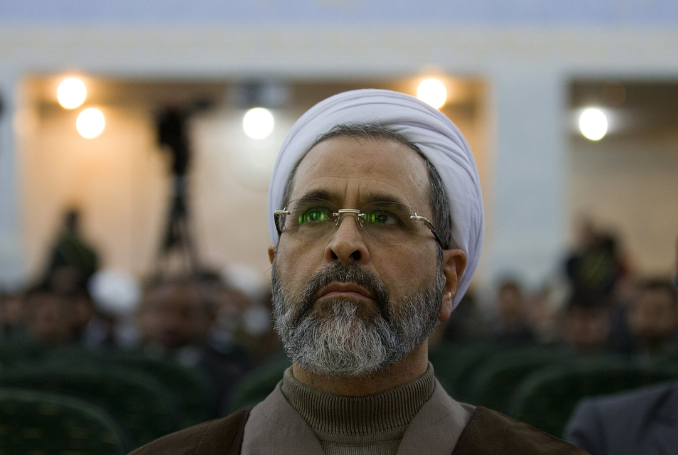
Arafi is an ayatollah and was widely regarded as Khamenei’s close confidant.
With a track record at the helm of government institutions, Arafi currently serves as deputy chairman of the Assembly of Experts and has been a member of the powerful Guardian Council, which vets election candidates and laws passed by parliament.
He is also head of Iran’s seminary system, overseeing education for religious leaders nationwide.
The cleric is said to be tech-savvy and fluent in Arabic and English, as well as having published 24 books and articles.
Gholam-Hossein Mohseni-Ejei
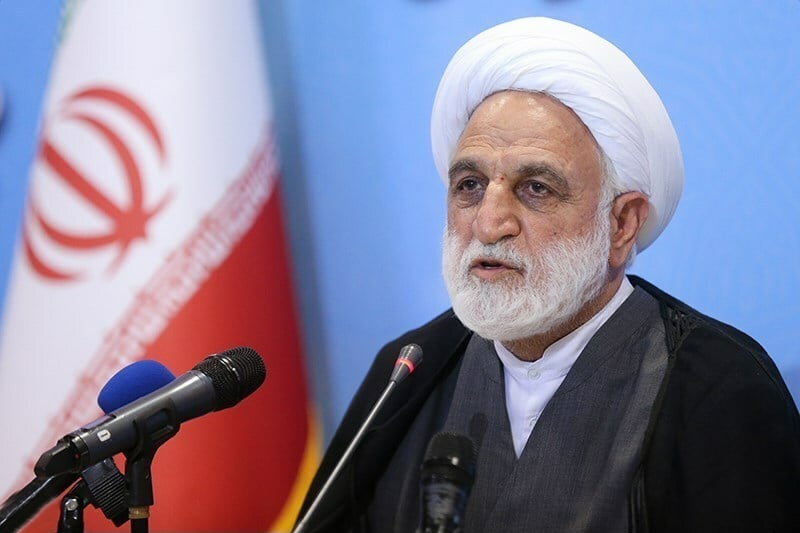
Mohseni-Ejei is a senior religious leader and has headed the judiciary since Khamenei appointed him to the post in July 2021.
He previously served as intelligence minister from 2005 to 2009 and later as prosecutor-general and first deputy chief justice. He is regarded as a hardline figure aligned with the conservative wing of the government.
Considered by the West as a violator of human rights, he held roles that used the judicial system to suppress political opponents, dissidents, journalists, and activists.
During his tenure, Iran’s judicial system fast-tracked prosecutions and death sentences, making it one of the top countries in awarding capital punishment.
Hassan Khomeini
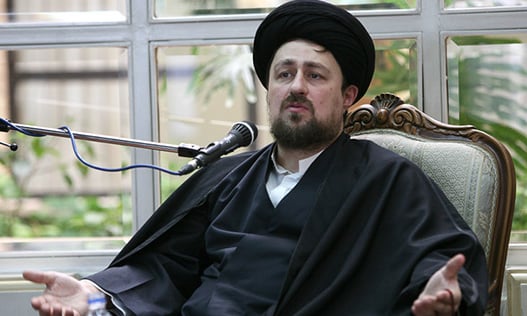
Hassan is the grandson of Khomeini, the founder of the Islamic Republic and the country’s first supreme leader. This gives him religious and revolutionary legitimacy.
However, he has not held public office and appears to have little influence on the country’s security apparatus or ruling elite.
The cleric serves as the custodian of the Khomeini mausoleum and is known to be less hardline than many of his peers. In 2016, he was barred from running for the Assembly of Experts.
His marriage to the granddaughter of the Grand Ayatollah Ali Sistani of Iraq is also thought to well-position him as a geopolitically influential figure in the tense Middle East.
Mojtaba Khamenei
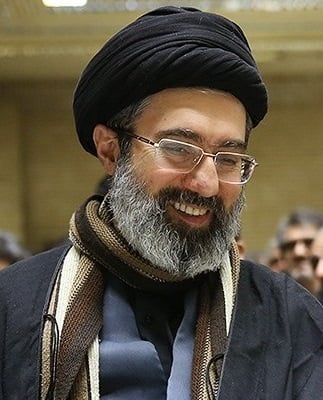
Mojtaba is the late Ayatollah Khamenei’s son. He is highly popular among rank-and-file Islamists because he was so close to his father and assumed a leadership role while his father was alive.
However, grievances, including a deteriorating economy, a repressive domestic policy, and foreign policy goals that saw many losses towards the end of his father’s regime, could work against him.
Like Hassan, he has never held government office but has been described as a gatekeeper to his father.
He studied under religious conservatives in seminaries in the city of Qom and is described as a hardliner with close ties to the Revolutionary Guard.