

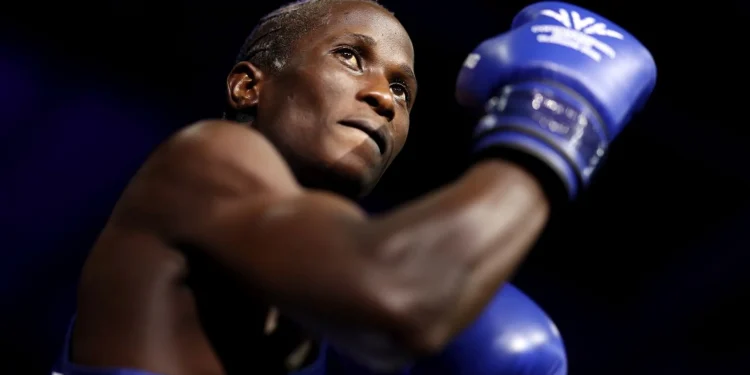

Police in Scotland is continuing to investigate reports from media outlets in Uganda and Pakistan that five boxers failed to return with their delegations from Glasgow, where the multi-sport event involving 3,000 competitors concluded on Sunday.
At this stage, the precise number of competitors who remain unaccounted for has not been disclosed, with the force saying only that it has received reports of “several athletes who are unaccounted for” as enquiries continue to establish the circumstances surrounding their absence.
The main focus is Uganda’s boxing team, with four of its six members failing to join the rest of the delegation for Tuesday’s journey home. NBS Sports named them as Nuhu Batte, Angel Katushabe, Ibrahim Khemis and Emily Nakalema, while the remainder of the Ugandan delegation returned without them.
Although there has been no official confirmation of their intentions, one of the four boxers told the Ugandan outlet that the group planned to seek asylum in Scotland and continue their boxing careers there, believing they would have access to better training facilities and greater opportunities. The athlete appealed for understanding and asked not to be judged for the decision, while a Team
Uganda spokesperson approached by BBC Scotland News declined to comment.
The cases also include Qudrat Ullah, a member of Pakistan’s boxing team whose absence was reported by media outlets in his country. According to Geo News, he was last seen in his room six hours before he was due to meet his teammates and begin the journey home. When officials went to look for him, he was no longer there, although the team manager reportedly had his passport and return ticket.
Following reports concerning the two teams, Police Scotland confirmed that enquiries were under way and that it had begun liaising with the Home Office. “Police Scotland has received reports of several athletes who are unaccounted for. Enquiries are ongoing to assess the circumstances, and early engagement is taking place with the Home Office,” a spokesperson said, according to Reuters.
The organisers worked closely throughout the competition with Police Scotland, Border Force and UK Visas and Immigration to ensure that arrivals and departures complied with regulations. Glasgow 2026 Commonwealth Games Chief Executive Phil Batty told the Press Association on Monday that the cooperation was intended to help ensure the event was staged safely. “We want to deliver a safe and secure games, so we work really closely with Police Scotland, the Border Force, and UK visas and immigration to make sure everyone arrives and departs in line with regulation,” he said.
Athletes were expected to leave in line with Glasgow 2026’s length-of-stay policy, with Games accommodation ending two nights after their sport concluded. The Home Office is understood to carry out enhanced checks ahead of major sporting events and can take action if it becomes aware of breaches of immigration law, although it does not routinely comment on individual asylum cases and considers each asylum claim on its individual merits and in accordance with the UK’s international obligations. Similar cases have occurred at previous editions of the competition. After Gold Coast 2018, Australian authorities were still searching for 50 athletes and officials a month later, while another 190 were seeking asylum. At Glasgow 2014, two Ugandan rugby sevens players likewise failed to return with their team and later moved to Cardiff, while Cameroonian weightlifter Cyrille Tchatchet II disappeared after the same edition while seeking to escape Cameroon. He returned to the competition 12 years later and won a silver medal.