

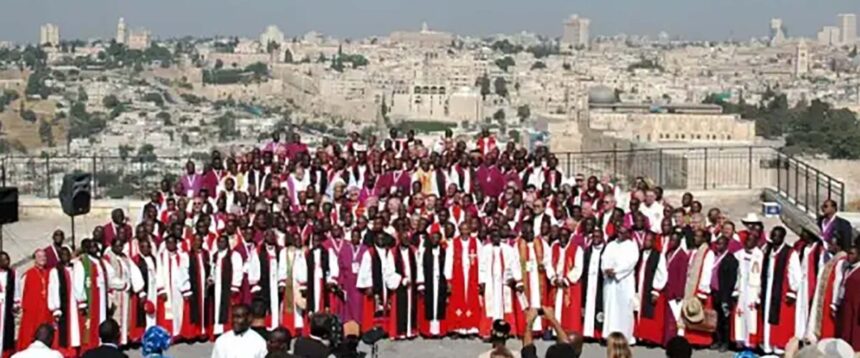
GAFCON, a movement of conservative, biblically orthodox Anglicans, has announced that it will no longer recognize the authority of the Archbishop of Canterbury. It has also instructed provinces to remove any reference to being in communion with the See of Canterbury and the Church of England.
In what is being viewed as a major split in the Anglican Communion and a snub to the Church of England, the GAFCON primates issued a statement saying the Anglican Communion will be “reordered” and that provinces of the Global Anglican Communion will not take part in meetings called by the Archbishop of Canterbury.
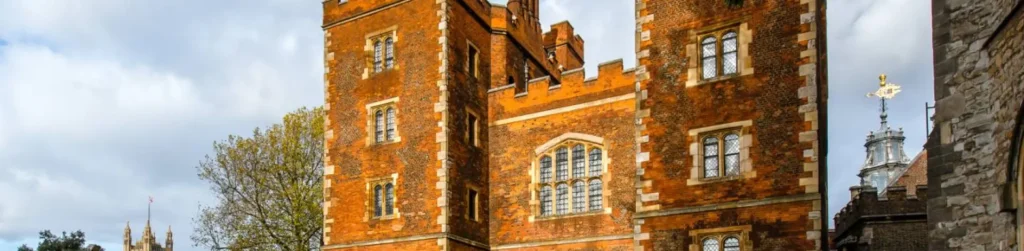
They have also rejected the other so-called Instruments of Communion, which include the Lambeth Conference, the Anglican Consultative Council (ACC), and the Primates’ Meeting. The primates said those instruments have “failed to uphold the doctrine and discipline of the Anglican Communion.”
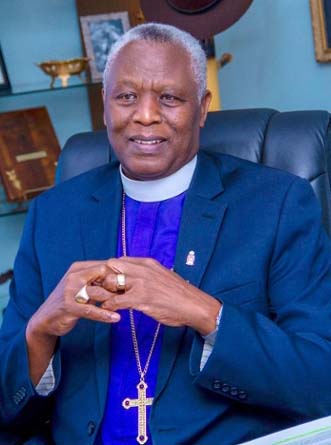
The statement, written by GAFCON chairman Most Rev. Dr. Laurent Mbanda, Archbishop and Primate of the Anglican Church of Rwanda, said GAFCON primates could not continue to have communion with those who “advocate the revisionist agenda, which has abandoned the inerrant Word of God as the final authority.”
Anglicans who hold traditional biblical views have long opposed the Church of England’s stance on issues such as sexuality and gender.
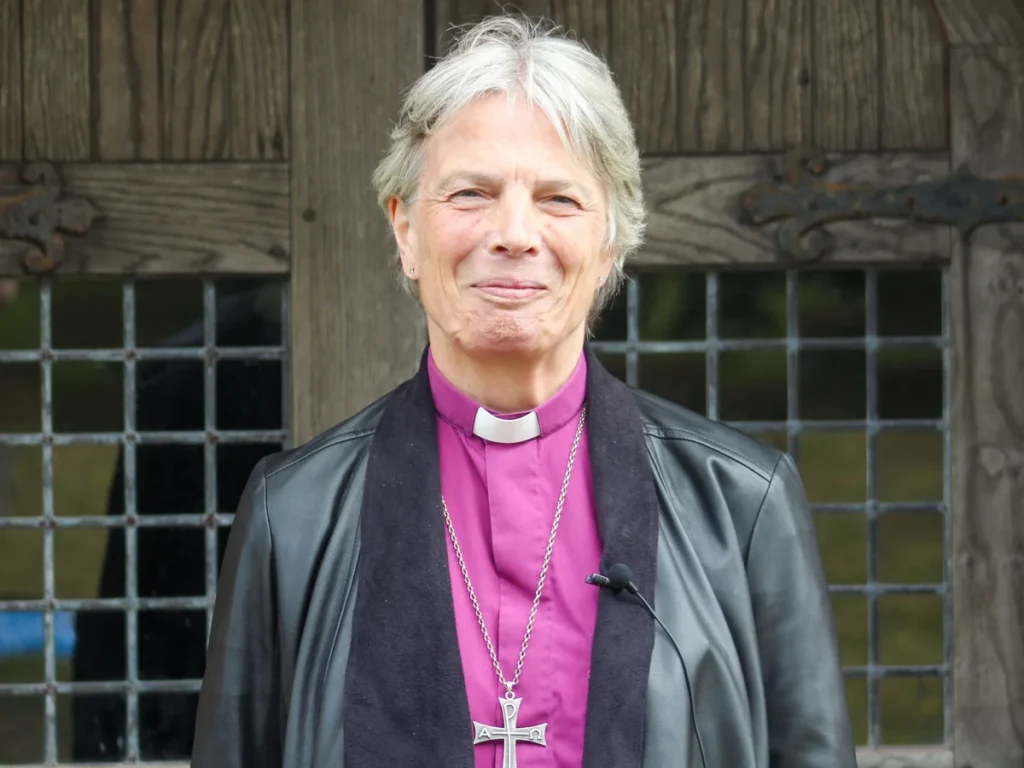
The statement, published on Thursday, came almost two weeks after Rt. Rev. Dame Sarah Mullally was appointed Archbishop of Canterbury-designate, becoming the first woman to hold the role.
Earlier this year, the Church in Wales also elected Most Rev. Cherry Vann, who is in a same-sex relationship, as Archbishop of Wales.
The GAFCON statement said the bishops have been “prayerfully advancing toward a future for faithful Anglicans, where the Bible is restored to the heart of the Communion.” They said it will be “translated, read, preached, taught, and obeyed in its plain and canonical sense, respectful of the church’s historic and consensual reading.”
Archbishop Mbanda said the new structure will comprise a fellowship of autonomous provinces and will be known as the Global Anglican Communion.
Members must assent to the Jerusalem Declaration of 2008, which reaffirms the authority of Holy Scripture and rejects the authority of churches and leaders who deny orthodox faith.
Concluding the statement, Archbishop Mbanda said: “…the reset of our beloved Communion is now uniquely in the hands of GAFCON, and we are ready to take the lead.”
He added: “As has been the case from the very beginning, we have not left the Anglican Communion; we are the Anglican Communion.”
The Global Anglican Communion will celebrate its formation at the upcoming G26 Bishops Conference in Abuja, Nigeria, in March 2026.
Premier Christian News
A house divided: The Anglican communion’s great reset
In one of the largest schisms in Western Christianity since Martin Luther launched the Protestant Reformation, the global Christian faith has witnessed a fracture of monumental proportions.
On Thursday, October 16, the bishops of the Global Fellowship of Confessing Anglicans, known as GAFCON, announced they are cutting all ties with the Anglican Communion and its historic “first among equals,” the archbishop of Canterbury, over what they deem a rejection of biblical authority.
They declared themselves to be the true Anglican Communion.
GAFCON previously described itself as “a global movement, gathering authentic Anglicans, guarding God’s gospel, growing orthodox leaders, and generating missional resources, for the glory of God.” Its website says the movement began in 2008 “when moral compromise, doctrinal error and the collapse of biblical witness in parts of the Anglican communion had reached such a level that the leaders of the majority of the world’s Anglicans felt it was necessary to take a united stand for truth.”
GAFCON is primarily composed of churches from the Global South, particularly Africa, along with conservative groups in North America, South America and Australia. GAFCON’s global presence includes African provinces such as the Church of Nigeria, the Anglican Church of Kenya, and the Church of Uganda and North American provinces including the Anglican Church in North America, which formed a split in the Episcopal Church and the Anglican Church of Canada.
While the debates leading to this decision run decades deep, the schism was precipitated by the recent election of Sarah Mullally as the first female archbishop of Canterbury. Describing herself as a pro-choice feminist, Mullally’s ascension to the historic See of Canterbury — long the spiritual head of the global Anglican faith — was the final straw for many conservative provinces. As major outlets have reported, her election was met with both celebration and immediate objection.
In a communiqué posted on Thursday, GAFCON leaders stated they are forming a new body, the Global Anglican Communion. This new structure will require participating provinces — the autonomous national churches of the Anglican faith — to have no connection to the See of Canterbury or the Anglican Communion’s administrative council.
This break reflects years of turmoil. It follows the resignation of former Archbishop Justin Welby, who stepped down in disgrace over a mishandled abuse crisis. Beyond that, the communion has been fracturing for years along theological lines: the ordination of women to the diaconate, priesthood and especially the episcopacy; LGBTQ inclusion and same-sex marriage. Two years ago, when the Church of England approved blessings for same-sex couples, the Global South Fellowship of Anglicans, a related conservative body, declared it was time to seek new spiritual leadership.
“The communion has been fracturing for years along theological lines.”
At their upcoming 2026 assembly, GAFCON will elect a chairman for a new administrative council, creating a rival “first among equals” to the archbishop of Canterbury. It is an echo of the Western Schism of the church, when the papacy was split between Rome and Avignon from 1378 to 1417.
Thursday’s development affects nearly 110 million Anglicans worldwide. GAFCON claims to represent 85% of them (roughly 75 million people), although these figures are disputed. In the United States, this global realignment is mirrored in the division between The Episcopal Church in America and the breakaway Anglican Church in North America.
That the new Archbishop is a woman is certainly a factor for provinces that believe the office belongs only to men. But what is most emblematic of the problem is that Mullally was hailed as a candidate who could “bridge the divide.” In her own words, Mullally is a “pro-choice feminist” who spearheaded the very project to create liturgies for same-sex blessings.
Only time will tell if this new communion can avoid the pitfalls of the fundamentalism and separatism it now embodies: backbiting, infighting and endless theological disputes. Serious concerns remain about the rhetoric and practices within some GAFCON provinces. The Archbishop of Nigeria once derided the ACNA for allowing “closet homosexuals” to serve as a “virus” to infect the church. Issues of polygamy, the treatment of women and anti-gay laws that constitute human rights abuses remain unresolved problems.
While “schism” may not be the technically perfect term — as that requires a formal anathema from both sides — the practical effect is the same. And the Church of England will likely do what it has done for the past three decades: Nothing.
Baptist News Global