

By George Bamidele OGUNJIMI Esq.
(jurisrepubliclegal@gmail.com)
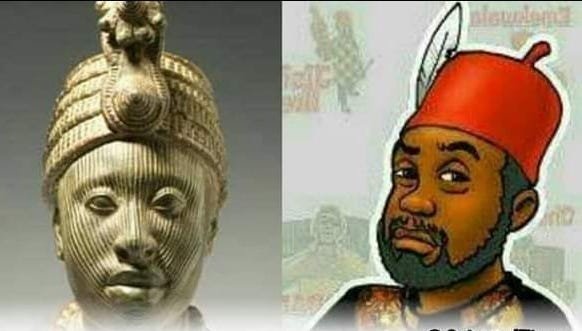
The growing hostility between some Igbo and Yoruba people on social media poses a serious threat to Nigeria’s national unity. Platforms intended for communication and the exchange of ideas have increasingly become spaces for ethnic insults, historical accusations, political antagonism, and mutual suspicion. If left unchecked, this hostility could deepen existing divisions and undermine peaceful coexistence.
The role of social media
Social media enables inflammatory statements, misinformation, and ethnic stereotypes to spread rapidly. An offensive statement by one individual can provoke collective retaliation, with entire ethnic groups blamed for the actions of a few people. This creates a vicious cycle in which each community perceives itself as a victim while contributing to further hostility.
Political disagreements also become dangerous when they are presented as struggles between ethnic groups. Rather than evaluating politicians based on their policies and performance, some citizens prioritise ethnic loyalty over accountability and good governance.
Consequences for Nigeria
Ethnic hostility can weaken trust, damage friendships and business relationships, and discourage cooperation between communities. It can also encourage discrimination and, in extreme circumstances, contribute to threats or physical violence.
Perhaps the greatest danger is that younger Nigerians may inherit these prejudices and begin to regard one another as enemies. If this continues, national identity may gradually weaken as ethnic loyalty takes precedence over shared citizenship.
However, the hostility expressed by some social media users should not be mistaken for the views of all Igbo or Yoruba people. Both communities have longstanding relationships in business, education, marriage, and other aspects of national life.
The way forward
Addressing this problem requires responsible social media use, accurate information, and political leaders who reject ethnic antagonism. Nigerians must learn to criticise individuals without condemning entire communities. Government institutions must also protect citizens against discrimination and ensure equal treatment under the law.
Furthermore, interethnic dialogue, historical understanding, and cooperation among young Nigerians can help rebuild trust and challenge harmful stereotypes.
Conclusion
The danger of Igbo–Yoruba hostility on social media lies in its potential to transform disagreements into lasting ethnic divisions. Nigeria’s diversity should be a source of strength, not a justification for hatred. The greatest threat to national unity is not ethnic diversity itself, but the willingness to turn that diversity into a weapon against fellow citizens. The Igbo and Yoruba do not have to agree on everything to coexist peacefully. They must recognise that their differences do not diminish their shared rights, dignity, and responsibility for Nigeria’s future.