
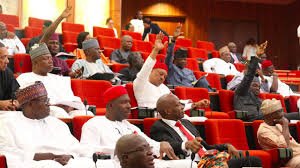

Nigeria’s Senate has approved a $6 billion external borrowing request by President Bola Tinubu, concluding deliberations in just over three hours after the proposal was formally presented on the floor.
The request, contained in a letter read by Senate President Godswill Akpabio, forms part of the Federal Government’s broader financing strategy aimed at supporting budgetary needs and key development priorities.
The swift approval underscores the legislature’s alignment with the executive on the urgency of funding critical sectors of the economy.
However, the pace of the decision has also brought renewed public attention to the importance of transparency and detailed project disclosure in Nigeria’s borrowing process.
Observers note that while external borrowing remains a legitimate fiscal tool, particularly in periods of revenue constraints, it is widely considered most effective when tied to clearly defined, foreign exchange-generating investments capable of strengthening repayment capacity.
In this context, the absence of publicly detailed project allocations linked to the approved facility has become a focal point of discussion.
READ ALSO: Akpabio declares three Senate seats vacant
Analysts suggest that making such information available, whether during legislative consideration or immediately after approval, can enhance public understanding and confidence in debt-financed programmes.
There is also growing emphasis among economic stakeholders on the value of informed legislative scrutiny, including opportunities for structured debate or commentary that situates borrowing decisions within long-term fiscal sustainability goals.
Nigeria has, in recent years, relied on a mix of domestic and external borrowing to bridge budget deficits, fund infrastructure, and stabilise the economy amid fluctuating oil revenues and foreign exchange pressures.
Experts continue to stress that the quality, transparency, and economic returns of such loans are as critical as their size.