


“Every American citizen or military personnel in the region is now a target,” a commentator on Iranian state media said.
“War starts right now,” the Islamic Revolutionary Guard Corps (IRGC), Tehran’s primary military branch, announced early Sunday, as quoted by Euronews.
This statement came shortly after U.S. President Donald Trump confirmed that U.S. forces had attacked three nuclear sites in Iran.
Iranian leaders had repeatedly warned of retaliation in the days and weeks leading up to the attack. On June 11, Iranian Defense Minister Aziz Nasirzadeh stated, “All U.S. bases are within our reach and we will boldly target them.”
This development further escalates what has been a week-long exchange of missile and drone attacks between Iran and Israel, now moving beyond a localized conflict into a full-blown war in the Middle East.
In response, the Israeli Defense Ministry has increased its readiness status, canceling all educational activities, meetings, and workplaces, except for essential sectors.
READ ALSO: Khamenei ‘cannot continue to exist,’ Israel threatens Iran’s Supreme Leader
Trump’s decision to directly involve the U.S. follows more than a week of Israeli attacks on Iran. These Israeli operations aimed to systematically eliminate Iran’s air defense and offensive military capabilities while damaging its nuclear enrichment facilities.
On Saturday, several U.S. B-2 bomber aircraft were observed taking off and heading westward from the United States. These B-2 bombers are uniquely capable of carrying larger ‘bunker buster’ bombs.
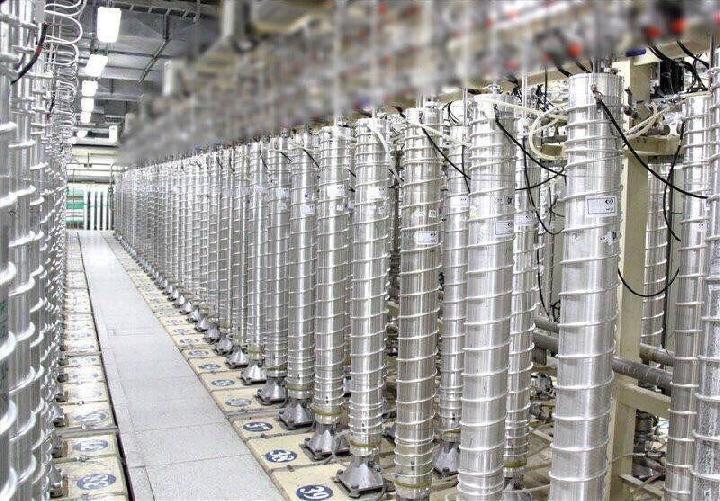
In addition to ground attacks or even nuclear strikes, Iran’s underground uranium enrichment facility at Fordow is considered to be beyond the reach of all but America’s ‘bunker buster’ bombs.
Both U.S. and Israeli officials have indicated that American stealth bomber aircraft and the 15,000-kilogram bunker buster bombs they can carry offer the best chance to destroy tightly guarded sites connected to Iran’s deeply buried nuclear program.
These bunker buster bombs are designed to penetrate approximately 60 meters below the surface before detonating. They can be dropped sequentially, effectively drilling deeper with each subsequent explosion. However, reports suggest that parts of the Fordow nuclear site may be buried even deeper, potentially hundreds of meters below the surface.